The recycling value of plastic bags is low, and it will not be separated in the natural environment for a long time. This means that if the waste plastic waste is not recycled, it will become a pollutant in the environment and will exist permanently and accumulate continuously, which will cause great harm to the environment.
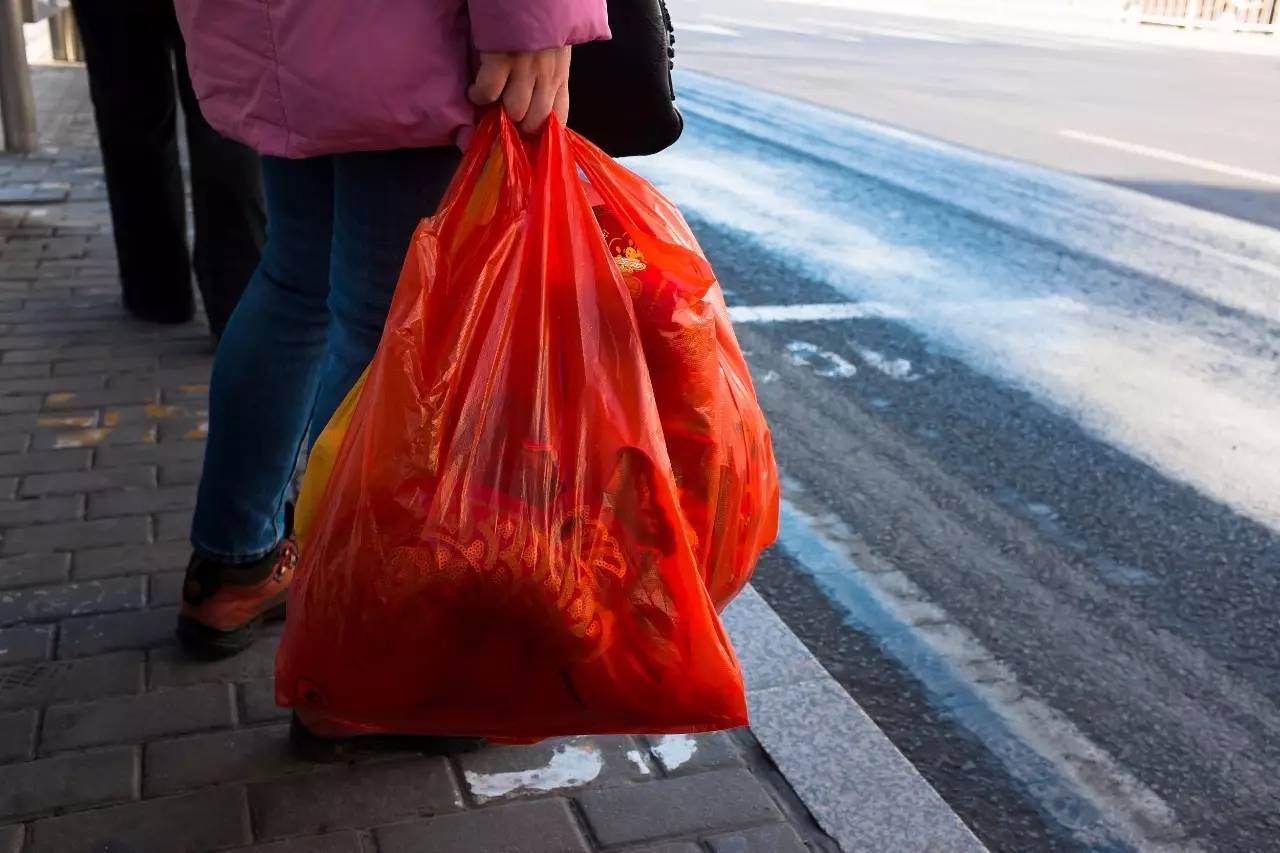
The harm of plastic bags to the environment - components of plastic bags
Harm of plastic bags
Because most of the plastic bags are produced with non renewable degradable materials, the plastic structure is stable, and it is not easy to be degraded by natural microorganisms, so it will not be separated in the natural environment for a long time. It has great harm to the land. It will change the pH value of the land, seriously pollute the soil, affect the absorption of nutrients and water by crops, reduce agricultural production and affect the sustainable use of land. The harmful smoke and gas produced by incineration will also cause pollution to the atmospheric environment. So now plastic bags have become the "worst invention" of the 20th century.
The recycling value of plastic bags is low, and it will not be separated in the natural environment for a long time. This means that if the waste plastic waste is not recycled, it will become a pollutant in the environment and will exist permanently and accumulate continuously, which will cause great harm to the environment.
It is a threat to the survival of animals
Waste plastic products discarded on land or in water are swallowed by animals as food, resulting in animal death. Such things are common in zoos, pastoral areas, rural areas and the sea.
Affect agricultural development
The continuous accumulation of waste plastic products in the soil will affect the absorption of nutrients and water by crops, resulting in crop yield reduction.
It is harmful to the land
Waste plastics will not only occupy a large amount of land, but also can not be restored for a long time, which affects the sustainable use of land. If the waste plastic products entering the garbage are landfilled, they will not degrade in 200 years. It is very harmful to the land.
High temperature decomposes toxic substances
Plastic products originally have no toxic substances, but because of its recycling equipment is not perfect, the process is simple, and many manufacturers have no legal business license, resulting in the reproduction of plastic products when the temperature reaches 65 ℃, toxic substances will be precipitated and infiltrated into food, which will cause harm to the liver, kidney, reproductive system, central nervous system and other important parts of the human body.
Harm of plastic bags to environment
The harm of plastic bags to the environment - "white pollution", the culprit of this kind of pollution problem is the plastic bags which are widely used. Nowadays, food packaging bags, tea packaging bags, chemical packaging bags, cooking bags, pesticide belts, seed bags are almost all plastic bags. Plastic bags are popular. Plastic bags have been integrated into modern people's daily life. It can be said that the use of plastic bags has been "pervasive".
1. Plastic bags cause "visual pollution" and affect the beauty of urban environment. We can often see that various colors of waste plastic bags are discarded in urban streets, tourist areas, water areas, seriously affecting the beauty of the environment.
2. The harm of plastic bags to rural areas. People often see the impact of plastic bags on urban environment, but ignore the impact of plastic bags on rural areas. Plastic bags, plastic films and other waste plastic products mixed in the soil continuously accumulate, which will affect the crops to absorb nutrients and water, resulting in crop yield reduction. Plastic bags abandoned on land or in water are swallowed by animals as food, resulting in animal death. Sheep like to eat oily residues wrapped in plastic bags, but they often eat them with plastic bags. Because the plastic they eat remains in their stomach for a long time and is difficult to digest, their stomachs are full and they can't eat any more. Finally, they have to starve to death. Such things are common in zoos, pastoral areas, rural areas and the sea.
3. Most plastic bags are difficult to degrade, which is an important reason for "white pollution" of plastic bags. If the waste plastic bags are allowed to accumulate in the environment, it will cause great harm.
Composition of plastic bags
The composition of plastic bags is mainly plastic. The plastic we usually use is not a pure substance, it is made of many materials. In addition, in order to improve the properties of plastics, various auxiliary materials, such as fillers, plasticizers, lubricants, stabilizers and colorants, should be added to the polymers in order to become good plastics.
synthetic resin
Synthetic resin is the main component of plastics, and its content in plastics is generally 40% - 100%. Because of its high content, and the nature of resin often determines the nature of plastic, so people often regard resin as a synonym for plastic. For example, PVC resin and PVC plastic, phenolic resin and phenolic plastic are confused. In fact, resin and plastic are two different concepts. Resin is a kind of raw polymer, which is not only used in the manufacture of plastics, but also the raw material of coatings, adhesives and synthetic fibers. In addition to a small part of plastics containing 100% resin, the vast majority of plastics, in addition to the main component resin, also need to add other substances.
Plasticizer
Plasticizers can increase the plasticity and softness of plastics, reduce brittleness, and make plastics easy to process. Plasticizers are usually organic compounds with high boiling point, which are miscible with resin, nontoxic, odorless, light and heat stable, and phthalate esters are the most commonly used. For example, in the production of PVC plastics, soft PVC plastics can be obtained by adding more plasticizers, while rigid PVC plastics can be obtained without or less plasticizer (dosage < 10%).
Colorants
Colorants can make plastics have a variety of bright and beautiful colors. Organic dyes and inorganic pigments are commonly used as colorants.
filler
Filler also known as filler, it can improve the strength and heat resistance of plastics, and reduce the cost. For example, the cost of phenolic resin can be greatly reduced by adding wood powder, which makes phenolic resin one of the cheapest plastics, and can significantly improve the mechanical strength. The fillers can be divided into organic fillers and inorganic fillers, the former such as wood flour, rags, paper and various fabric fibers, and the latter such as glass fiber, diatomite, asbestos, carbon black, etc.
stabilizer
In order to prevent the decomposition and destruction of synthetic resin by light and heat in the process of processing and using, and prolong the service life, stabilizers should be added into the plastics. Commonly used are stearate, epoxy resin and so on.
lubricant
The function of the lubricant is to prevent the plastic from sticking to the metal mold during molding, and to make the surface of the plastic smooth and beautiful. Commonly used lubricants are stearic acid and its calcium magnesium salt.
In addition to the additives mentioned above, flame retardant, foaming agent and antistatic agent can be added to the plastics to meet different requirements.