In principle, all cities should implement the step water price system for residents. This means that after the implementation of the policy, the more water is used, the more expensive the water price will be.
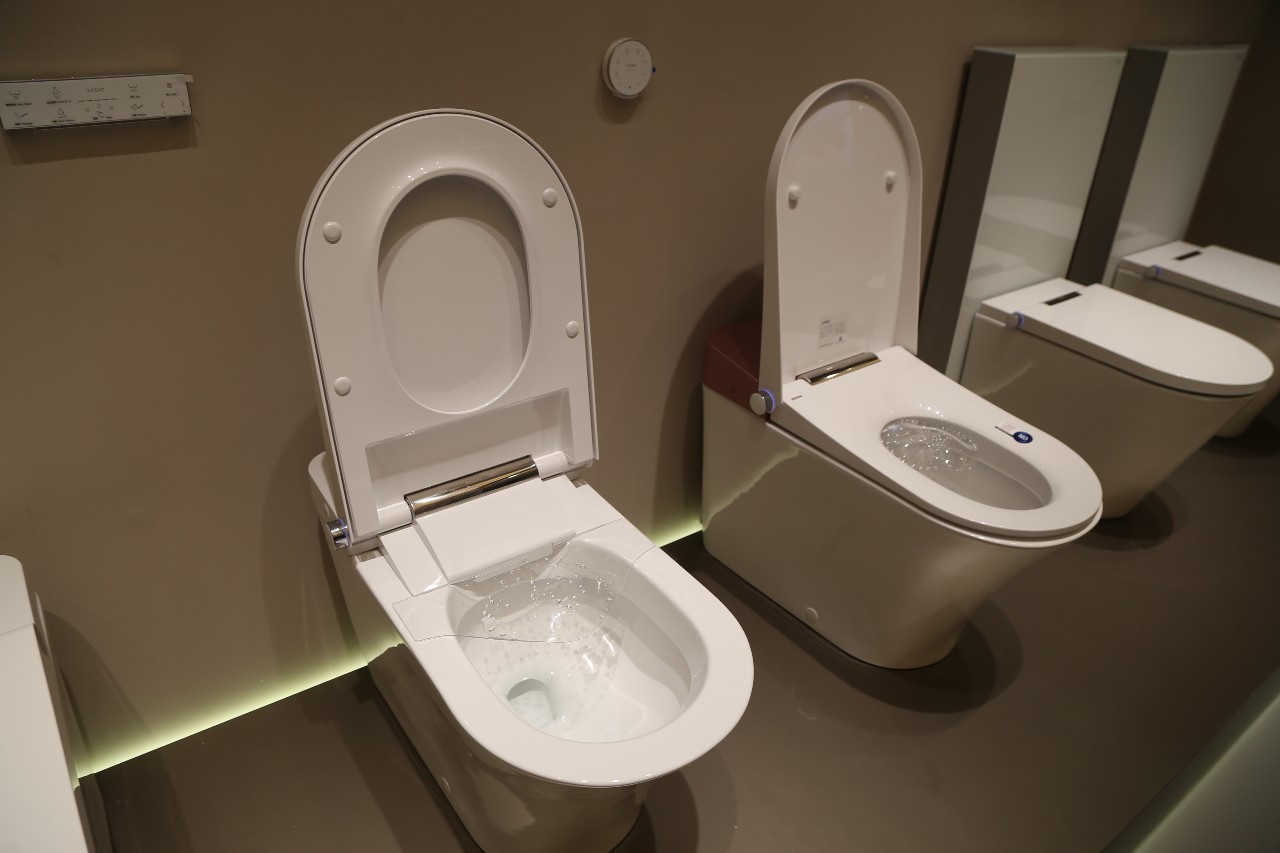
Toilet is the largest source of domestic sewage, accounting for about 40% of the total water consumption. Therefore, the choice of a water-saving toilet has become the common choice of most families. But does your water-saving toilet really save water?
Talk1: flushing volume is a feasible indicator of toilet water saving
There are many kinds of water-saving closets on the market, with different flushing volumes and dazzling names. However, the basic principle of most water-saving toilets is the same. Through some pressure devices, the gas and water with high pressure are forced to be washed first, and then further washed with water to achieve the purpose of water saving. The better use of this principle, the smaller the flushing volume, the more water-saving the toilet will naturally be. Of course, there are also some auxiliary designs that can further reduce the amount of toilet flushing.
Talk2: flushing volume and flushing degree jointly affect the water saving degree of household toilet
However, it should be noted that the amount of flushing water used by the household toilet is based on flushing out the filth. Therefore, the small amount of single flush does not mean that the toilet can save water. If the flushing volume and cleanliness of the toilet can not be taken into account, it will cost more water if the consumer needs to flush it many times. There are many factors that affect the cleanliness of the toilet, including water parts, glaze, drainage pipes and so on.
Talk 3: choose the toilet with small flushing volume and high cleanliness
Therefore, consumers should not only choose a small amount of flushing water when choosing water-saving toilet, but also comprehensively evaluate other influencing factors. Generally speaking, the quality of large brand water-saving toilets with good reputation is relatively reliable. Consumers can consider whether the toilet water parts are compact, sensitive and flat, the materials are exquisite, whether the glaze is smooth, and whether the diameter of the sewage pipe is reasonable.
From the perspective of the daily use of the toilet by ordinary consumers, the factors affecting the degree of water saving are not only the amount of flushing water, but also the effect of its treatment of filth. The factors of toilet cleanliness include water parts, glaze and drainage pipes, which can be evaluated by consumers in the purchase process.