1. Construction of turtle pond
The young, adult and parent turtles should be reared in separate ponds, so as to avoid big turtles swallowing small turtles. At the same time, it is convenient to determine the feed amount and feeding management, and to observe and master the growth and activity of all kinds of turtles.
1. Turtle pond:
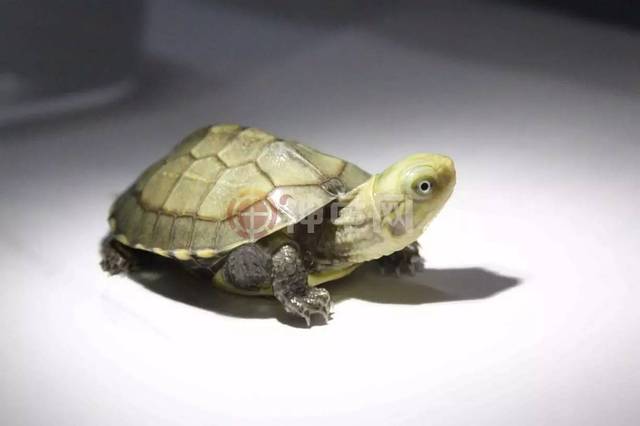
Generally, this method is applicable to the general professional households and small-scale breeding. According to the characteristics of the golden turtle, the breeding pond should be built in a place facing the sun and sheltered from the wind. The size of the pond can be determined according to the needs, and a wall should be built about 2 meters away from the pool to prevent the turtle from escaping. A small island can be built in the middle of the water pool for the activities of the golden turtle. The island and the open space around the pool should be extended There should be a certain slope in the pool to facilitate the beetle to climb on the island or the open space outside the pool for resting, feeding and spawning; a water outlet should be set at the bottom of the pool for water exchange; the open space at the bottom of the pool and the open space around the pool should be paved with about 30 cm thick sand soil, and some plants should be planted for shade, so as to reduce the temperature and prevent heat in summer.
Due to the high price of the golden turtle, some farmers, for the sake of safety and easy management, set up ponds to raise young turtles indoors, which can also achieve good results. The indoor turtle pond is also made of cement, which is generally rectangular, with a certain slope of 2 / 3 of its length. The bottom and four walls of the pool are paved with beige or lake blue glazed tiles for easy cleaning and keeping clean. According to experience, a 1, 5 m x 0, 6 m x 0, 6 m indoor cement pool can house about 30 small golden turtles.
2. Adult turtle pond:
The pond was built according to the characteristics of the golden turtle, such as warm, water loving, gentle, brave and filial, easy to escape. Choose soft sand, leeward to the sun, sufficient water source, not easy to be polluted, secluded and shady places to build ponds with cement. The size of the pond can be determined by the size of the site and the number of turtles raised. A 50 cm high wall must be built with stone or brick around 1-2 meters away from the pool. The wall base should be 70-80 cm deep. The wall must be smooth. Wire netting should be set at the water inlet and outlet of the pool to prevent turtles from escaping. In the middle of the pool, a 6-7 square meter island will be built for turtle activities.
There must be a certain slope (1:2 or above) between the enclosure and the breeding pool, and the place where the island extends to the pond, so as to facilitate the turtle to go ashore and go on the island. The depth of water storage in the breeding pond is generally about 1 or 5 meters. The bottom of the pond should be covered with 20-40 cm thick sand soil. The open space between the enclosure and the pool should also be covered with 60 cm thick slightly moist sand soil. In addition, some flowers, grass and small shrubs can be planted on the open space around the pond and on the island for the turtle to shade and inhabit. Some electric lights can also be installed to facilitate the staff to observe the activities of turtles at night, and some farmers raise adult turtles indoors. The construction of indoor adult turtle pond and indoor juvenile turtle pond are roughly the same, but the area is much larger.
3. Breeding pool:
The construction of breeding pond is basically the same as that of turtle pond. Usually, the breeding pool can also be used as the adult turtle pond, and the adult turtle will not be removed until the breeding period, which can improve the use efficiency of the pool. Breeding pools should be kept as quiet as possible. The stocking density of parent turtles is much smaller than that of adult turtles. During the spawning period, the sand around the pool should be kept moist without ponding; in case of drought, appropriate water should be poured to keep the sand and soil moist. Breeding ponds must be built outdoors. There is no real success in indoor breeding.
2. Feed and feeding
Nutritional condition is one of the factors that have great influence on the artificial breeding of golden turtle. The feeding habits of the beetle are wide. When reared artificially, the main animal feed should be small fish, shrimp, shellfish, snail, earthworm, cooked and chopped animal viscera, and plant feed such as rice and vegetables should be supplemented. In addition, a variety of vitamins, trace elements and calcium can be properly added to the feed, so as to ensure the comprehensive nutrition of the feed and avoid the growth and development of the golden turtle or anorexia.
3. Hibernation management
The carapace beetle is a variable temperature animal, and the environmental temperature has an obvious effect on its life activities. After November of each year, when the temperature drops below 15 ℃, the beetle will be buried in the bottom of the pond and will not eat or move, and will hibernate. At this time, the metabolism of the golden turtle is slow and weak, and the nutrition stored before winter is enough to maintain this weak life activity. Therefore, during the hibernation period of the golden turtle, it is generally not necessary to feed or change water. However, when the temperature drops below 6 ℃, artificial heat preservation measures should be taken to prevent the beetle from freezing to death, and at the same time, attention should be paid to prevent the damage of natural enemies of the beetle.