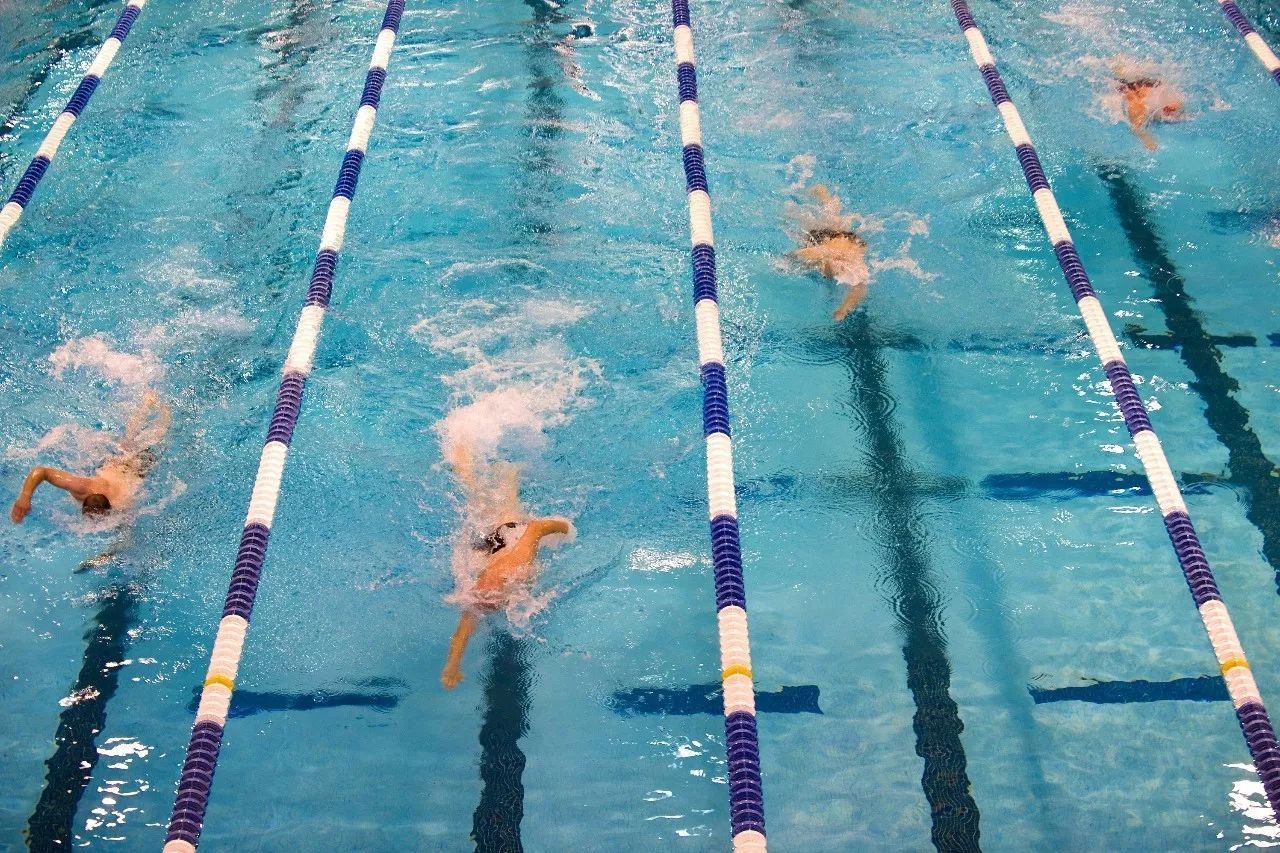
In daily life, when we swim, water will enter our ears. If we do not deal with it in time, it may cause ear canal or tympanic membrane infection, and the consequences are very serious. So, what effective measures should be taken after the ears are flooded? Let's have a look.
What's the harm of water in your ears
When you take a bath or swim, you always get water into your ears. People don't pay attention to the small problems, which will cause terrible consequences gradually. If the liquid accumulates in the ear for a long time, it is easy to cause inflammation and other problems. Water in your ears can be harmful.
When taking a bath or swimming, water is accidentally put into the ear. If the liquid accumulates in the ear for a long time, it is easy to cause otitis media. First of all, what is otitis media? Acute otitis media is generally due to virus and bacteria through the eustachian tube pathway infection. When swimming, swallow water into nasopharynx to cause otitis media. When a baby drinks milk, if the mother's feeding posture is not correct, the milk may enter the ear through the eustachian tube, causing otitis media.
Unclean water into the external auditory canal, ear wax softening, swelling, causing ear canal blockage, water flow, resulting in otitis externa. Dirty water bacteria accumulate in the ear, which also increases the risk of inflammation. Therefore, not as long as the water will be inflamed, bath into a little water is no problem, but for the baby's fragile ear canal, or should wipe dry, pay more attention.
How to prevent water from entering your ears
In order to avoid inflammation, the best way is to prevent it first. Good protection of ears, prevent water, do a good job in every preventive measures, to ensure health is fundamental. Especially when bathing or swimming for babies, more attention should be paid to prevent water from entering the ears.
You can first touch your ears with water on your little tail finger, so the water will not be poured into your ears, or you can plug your ears with soft plugs. Although the comfort is not good, it can reduce the water inflow. When taking a bath, you can take a bath cap and cover your ears. When you wash your hair, plug your ears with cotton balls.
If it's a bath for your baby, you can use a cotton ball to plug the baby's ears when you wash your baby's hair and bath. At the same time, reduce the amount of water to prevent splashing into the baby's ears. You can also bring your baby's ear protector to prevent water from entering. When washing hair, if there is no tool, the mother can use water to hold the baby's ear close to the face. Don't take out earwax for your baby. In fact, earwax has a very good protective effect on the ear, can prevent the dust outside, fine material into the ear. And the baby is sensitive, easy to hurt the ear, so often take out the earwax is not necessary, long-term pulling out earwax will lead to bacterial growth.
There are six simple ways to deal with the problem
1. Use sterile cotton swabs
The most effective way to deal with the water in the ear is to use a sterile cotton swab. The cotton swab on the sterilized cotton swab is stretched by hand and rubbed into the ear hole slowly. Once the cotton swab touches the water, it will absorb the water immediately. If you change a few more dry cotton swabs, the problem will be solved. At the same time, it should be noted that the cotton swab should not be too deep to damage the ear canal.
2. Press your hands on your ears
Tilt your head to the side of the ear where the water is flowing, and press the palm of the same side tightly to the auricle. At this time, hold your breath and release the hand quickly. Use the negative pressure at the moment of releasing the hand to suck out the water. Do it several times in a row, and the water in the ear will come out.
3. One leg jump
After the ears are filled with water, tilt your head to the ear on the side of the water, and then stand on the same side with one leg. At the same time, pull the auricle with your hand to make the water flow out along the ear.
4. Clear water drainage
When it is difficult to let the water flow out of the ear after half of the method, try to use the drainage method, that is, use the same side of the hand to pour some water into the ear, and then lead the water out. At the same time, pull the ear with your hand, pull the auditory canal straight, and the water will flow out.
5. Using pebbles skillfully
After the ears are flooded with water, you can find a piece of flake pebble, tilt its head to the side of the ear, stick the pebble tightly to the ear hole, and then beat the pebble with a small stone outside. The water in the ear will be vibrated out by the sound wave vibration.
6. Seek medical advice in severe cases
If there is more earwax in the ear, it is easy to be blistered after entering the water, causing swelling pain and discomfort in the ear, or the ear has been inflamed or the otitis media has recurred after water inflow, you should go to the hospital immediately, and doctor Qing can help clean up and treat in time.